The Art of Spice Trading
The Art of Spice Trading
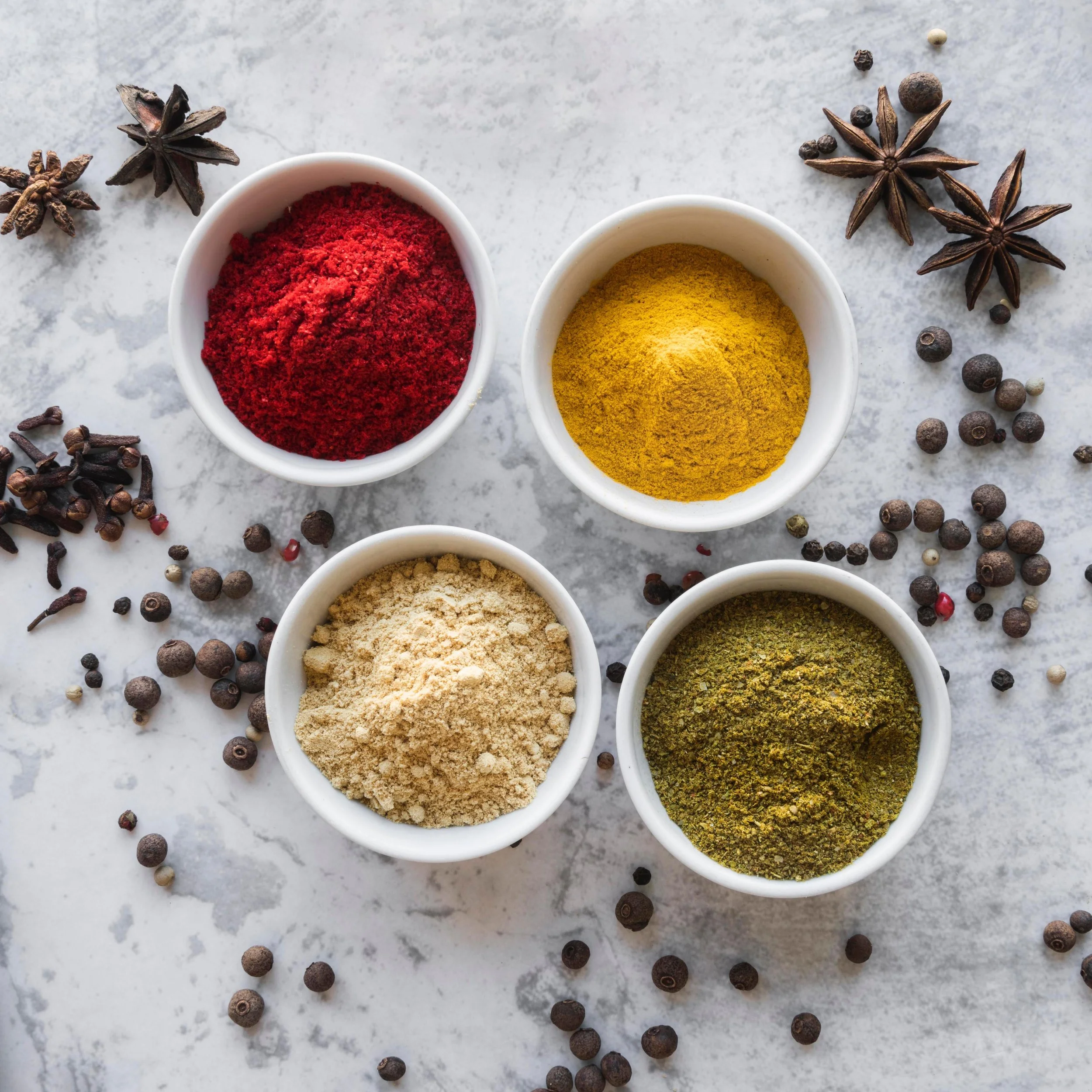
Exploring the intricate journey of premium Indian spices from rural farms to international markets
The global spice trade represents one of humanity's oldest and most fascinating commercial endeavors. For centuries, these aromatic treasures have shaped economies, sparked exploration, and connected distant cultures. Today, India remains at the heart of this ancient trade, contributing over 70% of the world's spice production and continuing a legacy that dates back thousands of years.
The Journey Begins: From Seed to Harvest
The story of every spice begins in the fertile soils of India's diverse agricultural regions. From the cardamom hills of Kerala to the turmeric fields of Andhra Pradesh, each spice has its preferred terroir—a unique combination of climate, soil, and traditional knowledge that cannot be replicated elsewhere.
At Greenera, we work directly with farmers who have inherited generations of wisdom about cultivating these precious crops. These farming families understand the intricate timing of planting, the optimal conditions for growth, and the precise moment when each spice reaches its peak potency.
"Quality spices are not just about the final product—they're about every decision made from the moment the seed touches the soil to when it reaches the consumer's kitchen." - Master Spice Cultivator, Tamil Nadu
Traditional Farming Meets Modern Standards
While we honor traditional farming methods, we also embrace modern techniques that ensure consistency and quality. Our partner farmers use:
Organic fertilizers and natural pest control methods
Precision irrigation systems that conserve water
Soil testing and nutrient management programs
Harvest timing based on scientific analysis of essential oil content
Post-harvest handling protocols that preserve quality
The Processing Revolution
Once harvested, spices undergo a carefully orchestrated processing journey. This stage is where traditional knowledge meets cutting-edge technology. Our processing facilities combine time-honored techniques with modern equipment to ensure that every batch meets international quality standards.
The processing steps vary by spice but typically include cleaning, sorting, drying, grinding (for powdered spices), and packaging. Each step is monitored for quality, with samples tested for moisture content, essential oil levels, microbial safety, and contamination.
15+
Different Spice Varieties
200+
Partner Farmers
25+
Export Destinations
Navigating Global Markets
The international spice trade is a complex ecosystem involving importers, distributors, retailers, and end consumers across the globe. Each market has its unique preferences, regulations, and quality requirements. What appeals to European consumers might differ significantly from Middle Eastern or North American preferences.
Understanding these nuances is crucial for success in the global spice trade. Factors that influence market preferences include:
Heat levels and flavor profiles preferred in different regions
Packaging and presentation requirements
Certification requirements (organic, fair trade, etc.)
Seasonal demand patterns
Cultural and culinary traditions
The Role of Technology in Modern Spice Trading
Today's spice trade leverages technology at every stage. From satellite imagery that helps predict harvest yields to blockchain systems that ensure traceability, technology is revolutionizing how spices move from farm to table.
At Greenera, we use advanced tracking systems to monitor shipments in real-time, ensuring that temperature-sensitive spices maintain their quality during transit. Our customers can track their orders from processing facility to delivery, providing transparency that builds trust in international trade relationships.
The future of spice trading lies in the perfect balance between honoring traditional methods and embracing technological innovation. This harmony ensures that we can meet growing global demand while maintaining the authentic flavors that make Indian spices so special.
Sustainability and Fair Trade
The modern spice trade increasingly focuses on sustainability and fair trade practices. Consumers worldwide are becoming more conscious of how their food is produced and its impact on farming communities and the environment.
Our commitment to sustainable spice trading includes:
Providing fair prices to farmers that ensure livable incomes
Supporting organic and environmentally friendly farming practices
Investing in community development programs
Promoting biodiversity through heritage seed preservation
Minimizing packaging waste and carbon footprint
The Future of Spice Trading
As we look toward the future, the spice trade continues to evolve. Growing health consciousness is driving demand for spices with proven medicinal properties. The rise of international cuisines is introducing consumers to new flavors and spice combinations. Climate change is pushing the industry toward more resilient farming practices.
At Greenera, we're excited to be part of this evolution. We continue to invest in research and development, exploring new spice varieties, improving processing techniques, and expanding our global reach while maintaining our commitment to quality and sustainability.
The art of spice trading may be ancient, but its future has never been brighter. As we bridge the gap between traditional Indian farming communities and global markets, we're not just trading spices—we're sharing culture, tradition, and the incredible flavors that make life more delicious.
From Farm to Global Markets
99.9%
Quality Assurance