Sustainable Farming Practices
Sustainable Farming Practices
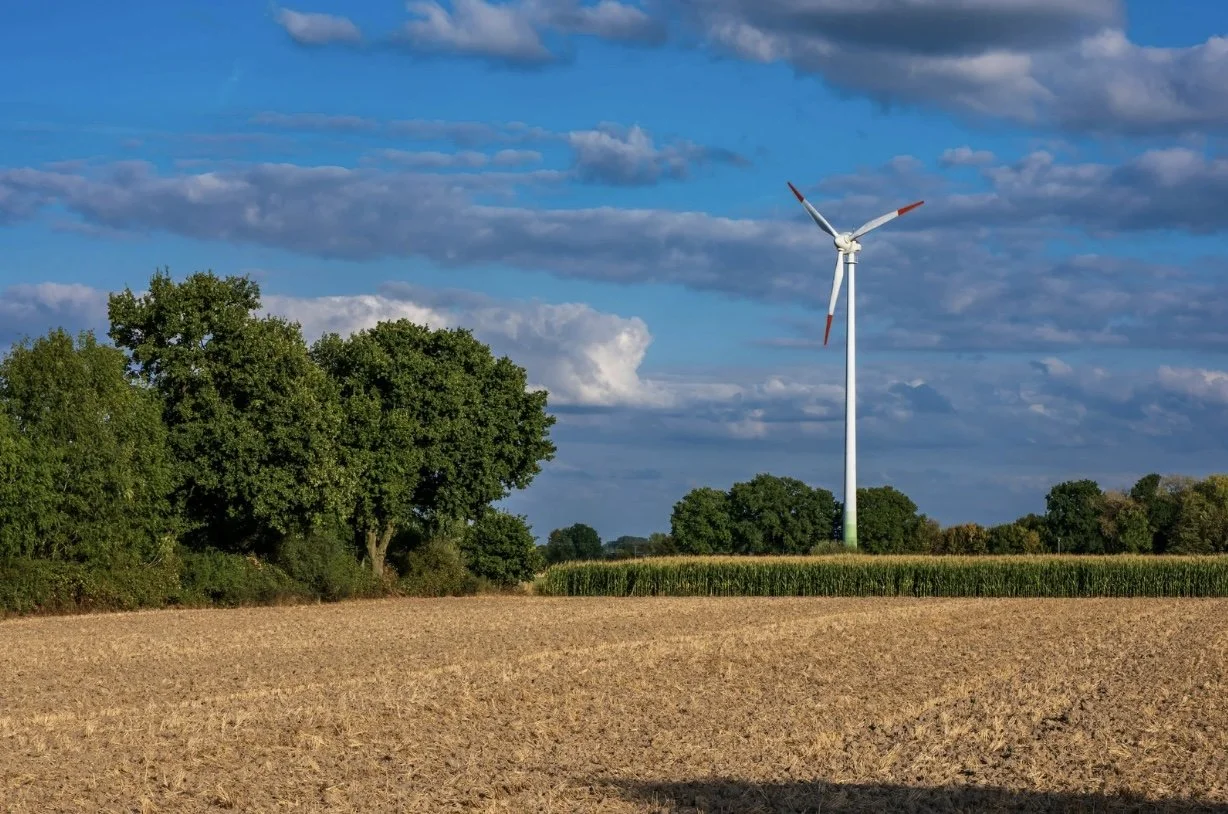
How Greenera partners with farmers to implement eco-friendly agricultural practices that protect our planet while maintaining quality standards
In an era where environmental consciousness is more critical than ever, sustainable farming practices have become the cornerstone of responsible agriculture. At Greenera, we believe that protecting our planet and producing high-quality spices are not mutually exclusive goals—they are complementary objectives that drive our commitment to sustainable agriculture.
Our approach to sustainability encompasses every aspect of the farming process, from soil health and water conservation to biodiversity preservation and carbon footprint reduction. We work closely with our network of farmers to implement practices that not only benefit the environment but also enhance the quality and flavor of our spices.
The Foundation: Soil Health and Regenerative Agriculture
Healthy soil is the foundation of sustainable agriculture. Our partner farmers employ regenerative farming practices that focus on building soil organic matter, improving soil structure, and enhancing biodiversity. These practices include:
Composting and organic matter incorporation
Cover cropping to prevent soil erosion and add nutrients
Crop rotation to maintain soil fertility
Minimal tillage to preserve soil structure
Integration of beneficial microorganisms
"Sustainable farming is not just about protecting the environment—it's about creating a legacy for future generations. When we take care of the land, the land takes care of us and produces the finest spices." - Sustainable Agriculture Expert, Karnataka
Water Conservation and Management
Water is a precious resource, and our sustainable farming practices prioritize its conservation and efficient use. We implement several water management strategies:
Drip irrigation systems that reduce water waste by up to 50%
Rainwater harvesting to capture and store monsoon rainfall
Mulching to retain soil moisture and reduce evaporation
Soil moisture monitoring to optimize irrigation timing
Drought-resistant crop varieties that require less water
40%
Water Savings
300+
Farmers Trained
85%
Organic Methods
Biodiversity and Ecosystem Preservation
Biodiversity is essential for healthy ecosystems and sustainable agriculture. Our farming practices actively promote biodiversity through various initiatives:
We encourage the cultivation of native plant species alongside cash crops, creating habitat corridors for beneficial insects, birds, and other wildlife. These natural allies help control pests, pollinate crops, and maintain ecological balance without the need for harmful chemical interventions.
Organic Farming
Promoting chemical-free cultivation methods that protect soil health and produce cleaner, safer spices.
Pollinator Protection
Creating bee-friendly environments and protecting natural pollinators essential for crop production.
Native Species
Preserving and cultivating heritage seed varieties that maintain genetic diversity.
Circular Economy
Implementing waste reduction and recycling practices throughout the farming process.
Natural Pest Management
Traditional chemical pesticides can harm beneficial insects, contaminate soil and water, and pose health risks to farmers and consumers. Our sustainable approach focuses on integrated pest management (IPM) strategies:
Beneficial insect release programs
Companion planting with pest-repelling plants
Neem and other natural pesticide alternatives
Pheromone traps for targeted pest control
Crop rotation to break pest life cycles
Climate-Smart Agriculture
Climate change poses significant challenges to agriculture worldwide. Our climate-smart practices help farmers adapt to changing conditions while contributing to climate change mitigation:
We promote the cultivation of climate-resilient crop varieties that can withstand temperature fluctuations, irregular rainfall patterns, and extreme weather events. These varieties ensure consistent yields even under challenging conditions.
Our carbon sequestration initiatives have helped remove over 1,200 tons of CO2 from the atmosphere while improving soil fertility and crop yields. This demonstrates that environmental protection and agricultural productivity can go hand in hand.
Farmer Education and Empowerment
Sustainable farming requires knowledge, skills, and ongoing support. We invest heavily in farmer education programs that cover:
Sustainable farming techniques and best practices
Organic certification processes and requirements
Financial management and crop planning
Market access and fair trade principles
Technology adoption and digital farming tools
Our field extension officers work directly with farmers, providing hands-on training and support throughout the growing season. This personalized approach ensures that sustainable practices are properly implemented and continuously improved.
Economic Benefits of Sustainable Farming
Sustainable farming practices offer significant economic advantages for farmers:
Reduced input costs through decreased reliance on chemical fertilizers and pesticides
Premium prices for organic and sustainably produced spices
Improved soil health leading to higher long-term yields
Access to international markets with strict sustainability requirements
Government incentives and subsidies for sustainable practices
Technology and Innovation
We leverage technology to make sustainable farming more efficient and effective:
Satellite imagery for crop monitoring and yield prediction
IoT sensors for soil moisture and nutrient monitoring
Mobile apps for farmer education and communication
Blockchain technology for supply chain transparency
Precision agriculture tools for optimized resource use
Our Sustainability Goals
Looking forward, we have set ambitious sustainability targets:
Achieve 100% organic certification for all partner farms by 2027
Reduce water usage by 60% through advanced irrigation systems
Increase carbon sequestration by 200% through improved soil management
Train 1,000 farmers in sustainable practices annually
Establish 50 demonstration farms showcasing best practices
Sustainability is not just a business strategy—it's our responsibility to the planet, our farmers, and future generations. Every spice we produce carries with it our commitment to environmental stewardship and social responsibility.
At Greenera, we believe that sustainable farming is the only way forward for agriculture. By working closely with our farming partners, investing in education and technology, and maintaining our commitment to environmental protection, we're creating a model for sustainable spice production that benefits everyone involved—from farmers to consumers to the planet itself.
Our journey toward complete sustainability is ongoing, and we remain dedicated to continuous improvement, innovation, and leadership in sustainable agriculture practices. Together, we're not just growing spices—we're cultivating a sustainable future.
Our Commitment to the Environment
50%
Carbon Reduction